Introduction
In the competitive e-commerce landscape—spanning Amazon, TikTok Shop, Shopify DTC stores, and retail chains—choosing the right manufacturing model is a critical strategic decision. When sourcing decorative lamps, ambient sensory lights, or holiday lighting from overseas suppliers, you will frequently encounter the terms OEM (Original Equipment Manufacturer) and ODM (Original Design Manufacturer).
While both approaches allow you to sell under your own brand, they involve vastly different capital commitments, development timelines, IP risks, and profit margins. In this guide, we provide a side-by-side comparison to help you choose the right path.
1. Defining OEM vs. ODM in Lighting
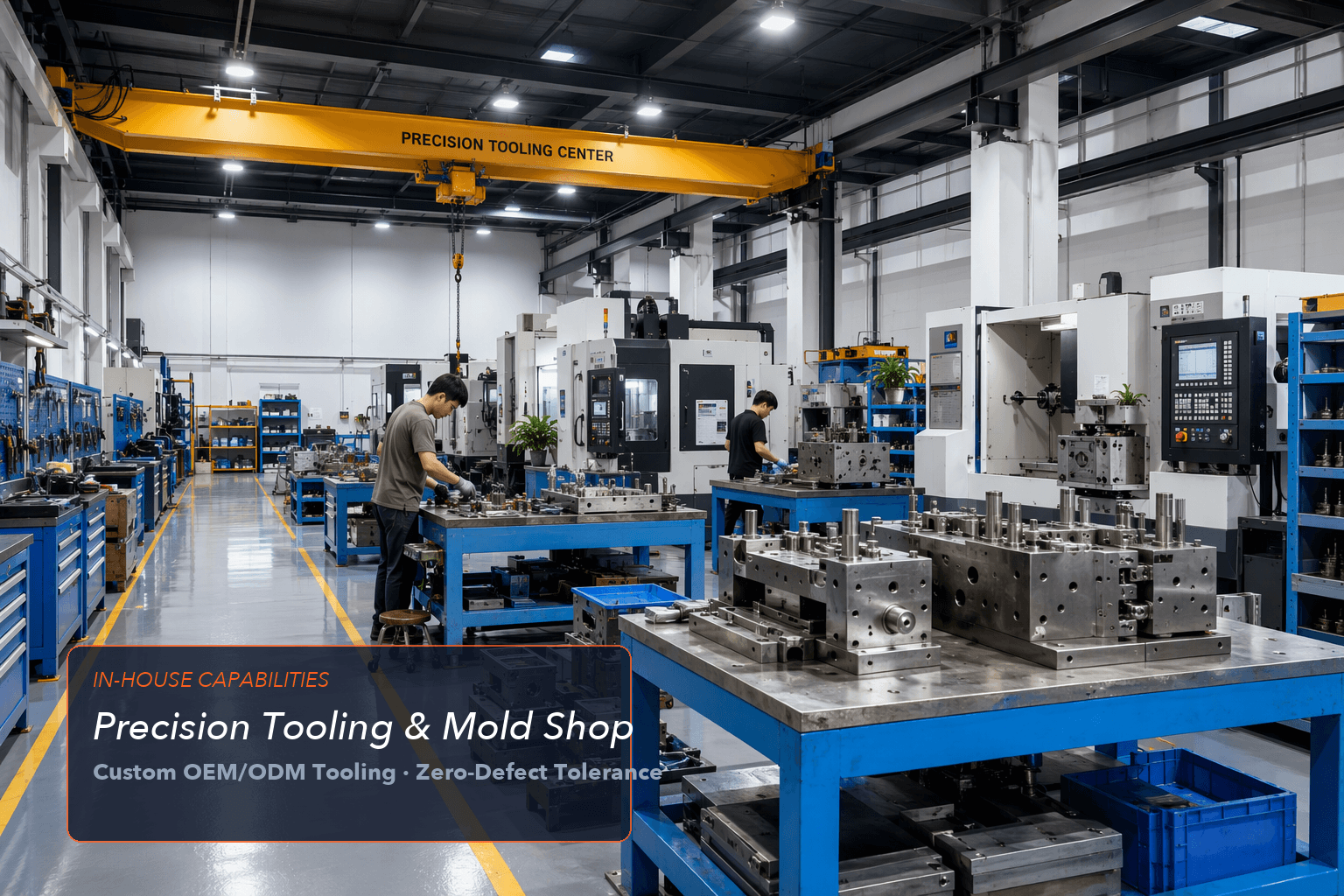
- OEM (Custom Engineering): You provide complete industrial design, 3D CAD models, and BOM specifications. The lighting manufacturer acts as your dedicated production arm—fabricating custom injection molds, stamping dies, SMT PCB layouts, and assembling products to your exact drawings. Best for: Unique patented designs and established brands.
- ODM (Private Labeling): The factory has already engineered, prototyped, and certified the product. You select an existing base model from the catalog and customize branding, colorways, surface textures, and retail packaging. Best for: Fast trend testing, Amazon sellers, and lower upfront capital.
2. OEM vs. ODM Comparison Matrix
- Upfront Tooling Cost: OEM requires $3,000 to $20,000+ for steel molds; ODM requires $0 to $500 for custom printing plates.
- Minimum Order Quantity (MOQ): OEM typically requires 3,000–5,000+ units per mold; ODM starts from 500–1,000 units.
- Time-to-Market: OEM takes 90–150 days (tooling + testing + mass run); ODM takes only 30–45 days.
- Intellectual Property: OEM gives you 100% exclusive design ownership; ODM design belongs to the factory while you own the trademark/branding.
3. The Hybrid "ODM+" Model: The Smart Seller's Sweet Spot
At ColorJoy Lighting, we frequently guide e-commerce clients toward a hybrid ODM+ (Semi-Custom) model:
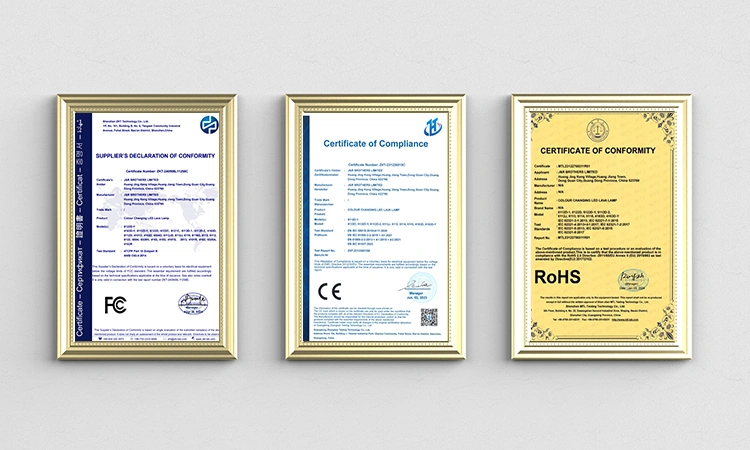
- Retain Certified Core: Utilize the factory's pre-certified internal mechanical structure, certified UL/CE power board, and standardized glass vessel.
- Customize the Outer Shell: Invest in a low-cost spinning mold or silicone over-mold to create a proprietary outer base, distinct silicone accents, or exclusive liquid wax colors.
Result: You achieve 85% of OEM visual uniqueness at only 15% of the tooling cost, with production lead times cut in half.
Conclusion
Whether your brand requires a turnkey ODM decorative lighting product to launch next month or full-scale OEM custom tooling for a multi-million-dollar retail rollout, choosing a dedicated source factory makes all the difference.
Contact ColorJoy Lighting today to discuss your OEM/ODM lighting project and get a professional engineering consultation.